

We have moved this content to EquinePlusFeed.com
Our Hi-Pro Feed has been renamed Equine Plus® Feed. The ingredients and manufacturing process are the same, only the name has changed.

Hindgut fermentation in horses is the core process that converts fiber into usable energy. Unlike many animals, horses rely on microbial fermentation in the cecum and colon to break down forage, regulate digestion, and support overall gut health.
When hindgut fermentation is disrupted, targeted probiotic support may help maintain microbial balance. For practical application, see this probiotics for horses guide.
Horses are hindgut fermenters, meaning they rely on microbes—not their own enzymes—to digest fiber. This process allows them to extract energy from forage such as hay and pasture.
This system is central to equine gut health and explains why diet, consistency, and microbial balance are so important.
The hindgut includes the cecum and large colon, where microbial fermentation takes place. This region contains a complex ecosystem of bacteria, protozoa, and other microorganisms that break down fibrous plant material.
Unlike the foregut, which handles enzymatic digestion, the hindgut is responsible for fermenting fiber into usable energy.
When a horse consumes forage, it passes through the stomach and small intestine before reaching the hindgut. There, microbes begin breaking down fiber through fermentation.
This process produces volatile fatty acids (VFAs), which are absorbed and used as a primary energy source.
It also produces gas and heat, both normal byproducts of fermentation.
The microbes in the hindgut are responsible for maintaining fermentation efficiency. A stable microbial population allows digestion to remain consistent and effective.
When this balance is disrupted, fermentation patterns change—and this is often when symptoms begin to appear.
Learn more about gut bacteria in horses.
Hindgut fermentation must remain stable to support consistent digestion. Sudden changes in diet, feeding schedule, stress, or hydration can disrupt microbial balance.
When fermentation becomes unstable, the horse may experience digestive changes such as:
These signs often reflect changes in how fiber is being fermented rather than isolated issues.
Most of a horse’s usable energy comes from fermentation, not direct digestion of feed. The VFAs produced in the hindgut provide a steady energy source that supports daily activity and performance.
This is why digestive stability is directly linked to energy consistency.
Explore gut health and performance.
Because microbes adapt to what the horse eats, consistency in diet is critical. Sudden feed changes can disrupt microbial populations, leading to inefficient fermentation.
Gradual transitions allow microbes to adjust, helping maintain stable digestion.
Water plays an essential role in fermentation. The hindgut contains significant fluid, which supports microbial activity and digestion.
Hydration also affects how efficiently fermentation occurs and how nutrients are absorbed.
Learn more about electrolytes and gut function.
Disruptions can occur due to:
When this happens, fermentation efficiency decreases and digestive symptoms often follow.
Maintaining stable fermentation involves:
Probiotics may also be used to support microbial balance during periods of stress or dietary change.
Learn more about when to use probiotics.
Hindgut fermentation is not just one part of digestion—it is the foundation of how horses process fiber, generate energy, and maintain stability.
Because it connects to digestion, hydration, and performance, maintaining fermentation balance is essential for overall health.
It is the microbial process that breaks down fiber in the cecum and colon to produce energy.
It provides most of the horse’s usable energy and supports digestive stability.
Digestive symptoms such as loose manure, gas, and poor feed efficiency may appear.
Maintain a consistent diet, ensure proper hydration, and introduce feed changes gradually.
They may support microbial balance during periods of stress or digestive disruption.
All of our situational supplements are designed to work quickly and safely; many are U.S. Patented. We use only USP Grade and amino acid chelated minerals. Micro-encapsulated probiotics ensure good digestion and fortify the immune system. We do not use fillers or binders, and all of our formulas contain 100% active ingredients.
(swipe left & right)
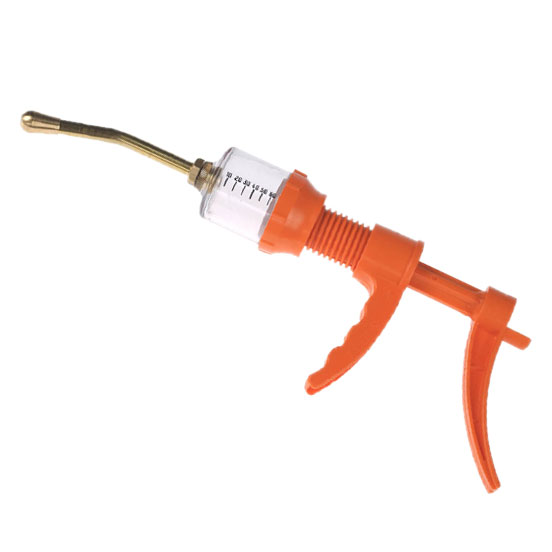
For decades, this has been the very best dosing gun for horses on the market. It's virtually indestructible and spill-proof.
Read more1 60 cc dose gun - $37.50
Buy Direct
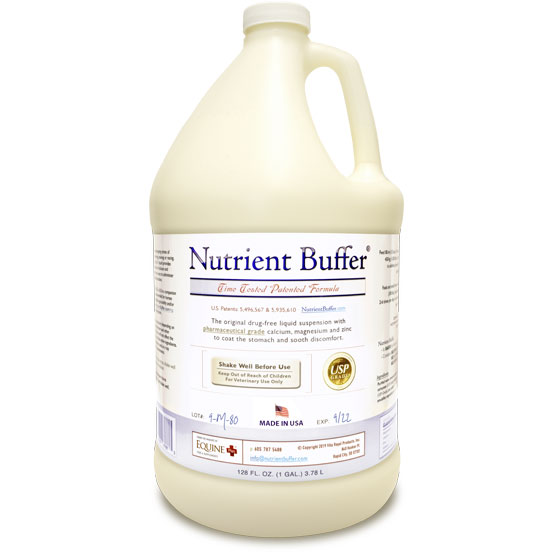
Neutralize stomach acid that can lead to ulcers with a unique ratio of minerals in a stabilized emulsion.
Read more1 (gallon) - $59.75 /gallon

Aids in healing hind gut ulcers and restoring hind gut health in horses - aids in neurological syndromes related to hind end weakness.
Read more10 lbs. - $200.25
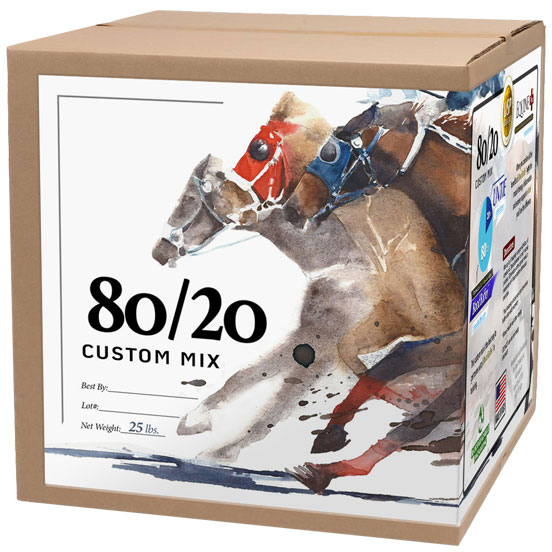
This 80/20 ratio of Blood Buffer™ and Untie® is formulated for race horses and barrel racing horses.
Read more3 lbs. (box) - $195.40

For soreness and inflammation of muscles, tendons & ligaments - can be used with all types of horses - for several different purposes.
Read more1 lb. - $51.25
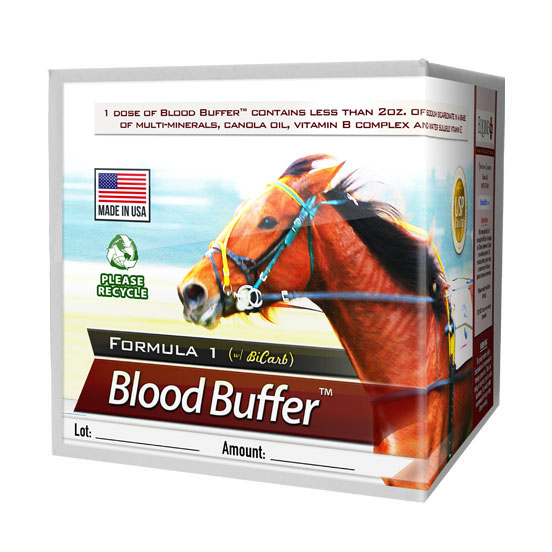
Increase performance, decrease fatigue and improve recovery times.
Read more3 lbs. (box) - $195.40
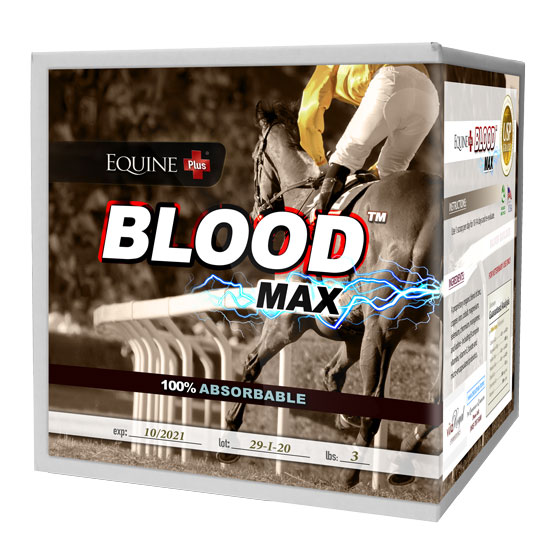
Everything modern science knows about building red blood cells in horses.
Read more3 lbs. - $135.00

Sometimes, horses need additional adrenal support to finish as strong as they should.
Read more1 lb. - $36.00
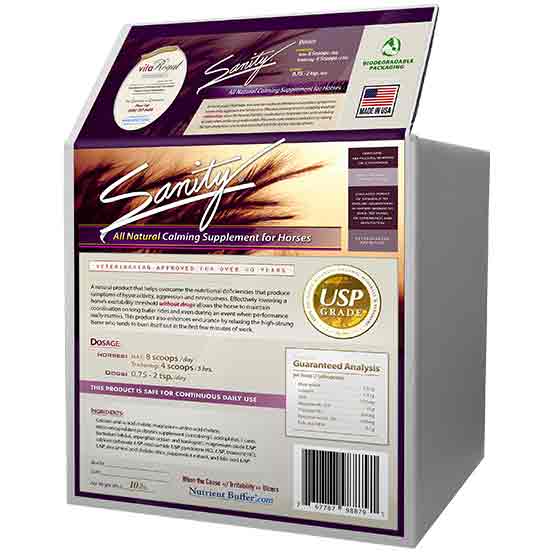
Natural calming and focus supplement. Great for trainers, performance horses in competition, and trailering.
Read more1 lb. - $27.75
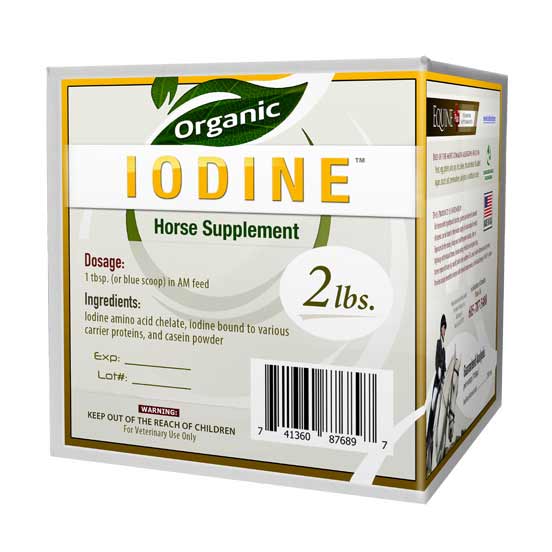
Our exclusive one-of-a-kind organically bound iodine amino acid supplement for horses with tumors, goiters or hypothyroid function.
Read more2 lbs. - $54.00
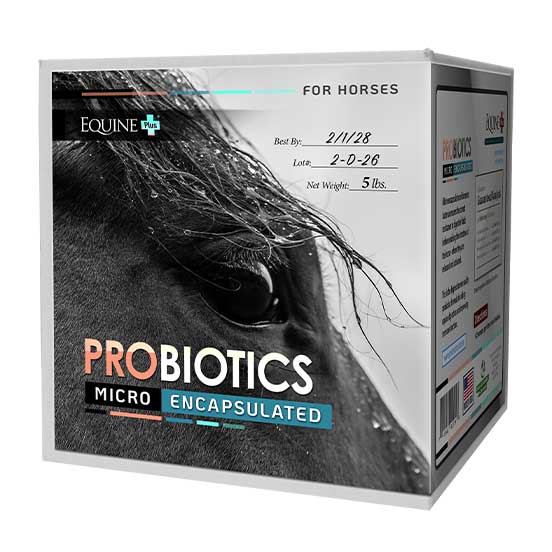
Micro-encapsulated probiotics are protected from digestive acids so they reach the intestinal tract in the best condition.
Read more1 lbs. - $34.25
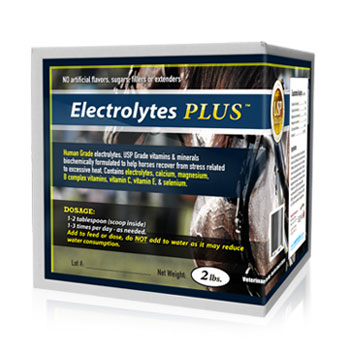
A superior pure electrolyte top dressing formula with no added sugar or flavorings.
Read more2 lb. - $33.00
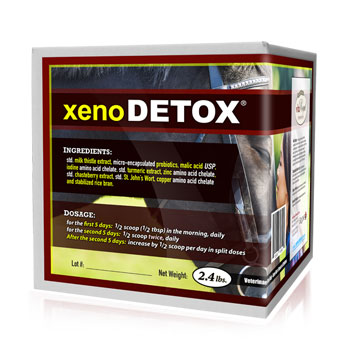
A herbal/mineral/probiotics combination that is known to aid in detoxification on many levels aiding restoration of normal biochemistry.
Read more2.4 lbs. - $64.75
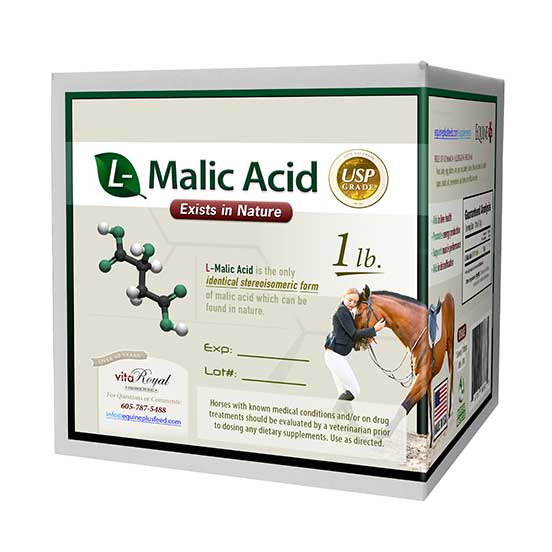
Our L-Malic Acid is the only natural stereoisomeric (non-synthetic) form of malic acid on Earth. It costs a little more than D-Malic Acid, but it works better.
Read more1 lb. - $25.95

The purest, most affordable form of this well known joint supplement for horses.
Read more1 lb. - $23.00