

We have moved this content to EquinePlusFeed.com
Our Hi-Pro Feed has been renamed Equine Plus® Feed. The ingredients and manufacturing process are the same, only the name has changed.

Equine gut health is driven by microbial balance in the hindgut, where fiber is fermented into usable energy. When this system is stable, horses maintain consistent digestion, nutrient absorption, and performance. Disruptions to gut bacteria—caused by stress, diet changes, or workload—can lead to digestive issues, reduced efficiency, and performance decline.
For a practical overview of how probiotics are used to support gut balance, digestion, and microbial stability in horses, see this guide to probiotics for horses.
The horse’s digestive system is uniquely adapted to process fiber continuously. Unlike simple-stomached animals, horses rely heavily on the hindgut—specifically the cecum and colon—where microbes ferment forage into volatile fatty acids that provide a primary energy source.
This process, known as hindgut fermentation, depends entirely on microbial stability. When the balance of bacteria shifts, digestion becomes less efficient, and the horse may struggle to maintain condition, energy, and consistency.
The hindgut functions as the engine of equine digestion. It is responsible for breaking down structural carbohydrates, regulating fluid balance, and supporting microbial ecosystems that influence the horse’s overall physiology.
Even small disruptions in microbial balance can lead to cascading effects, including digestive upset, metabolic inefficiency, and performance limitations.
This is closely tied to gut health and electrolyte balance, since the hindgut also plays a role in hydration and fluid regulation.
The equine microbiome consists of billions of microorganisms that digest fiber, synthesize nutrients, and stabilize gut function. A balanced microbiome supports consistent fermentation and efficient nutrient extraction.
At the center of this system are gut bacteria in horses, which determine how effectively digestion occurs.
When microbial populations become imbalanced—due to stress, diet shifts, or environmental changes—digestive performance declines, and symptoms may begin to appear.
Explore all digestive symptoms in horses to better understand how gut imbalance presents.
Several factors can destabilize the hindgut environment, including sudden dietary changes, high-starch feeding, dehydration, stress from travel or competition, and intense training demands.
These disruptions can alter microbial populations, reduce fermentation efficiency, and lead to digestive imbalance.
Digestive efficiency directly affects how well a horse converts feed into usable energy. A stable gut supports consistent energy availability, hydration balance, and metabolic function.
This is why gut health and performance in horses are closely linked.
When gut health is compromised, horses may experience reduced stamina, slower recovery, and increased susceptibility to performance-related stress.
Probiotics are used to support microbial balance by introducing beneficial microorganisms into the digestive system. They are most often used during periods of stress, dietary change, or digestive instability.
Learn more about when to use probiotics for horses and how they fit into digestive support strategies.
Equine gut health extends beyond probiotics. It involves managing forage intake, feeding consistency, hydration, workload, and microbial balance.
Explore additional digestive support strategies for horses to understand how different approaches support gut stability.
The hindgut includes the cecum and colon, where microbial fermentation breaks down fiber into energy for the horse.
Gut health determines digestion efficiency, nutrient absorption, hydration balance, and performance stability.
Common causes include diet changes, stress, high-starch feeding, dehydration, and intense training demands.
Digestive efficiency directly influences energy production, recovery, and metabolic stability during work.
Probiotics support microbial balance, particularly during periods of digestive disruption or stress.
All of our situational supplements are designed to work quickly and safely; many are U.S. Patented. We use only USP Grade and amino acid chelated minerals. Micro-encapsulated probiotics ensure good digestion and fortify the immune system. We do not use fillers or binders, and all of our formulas contain 100% active ingredients.
(swipe left & right)
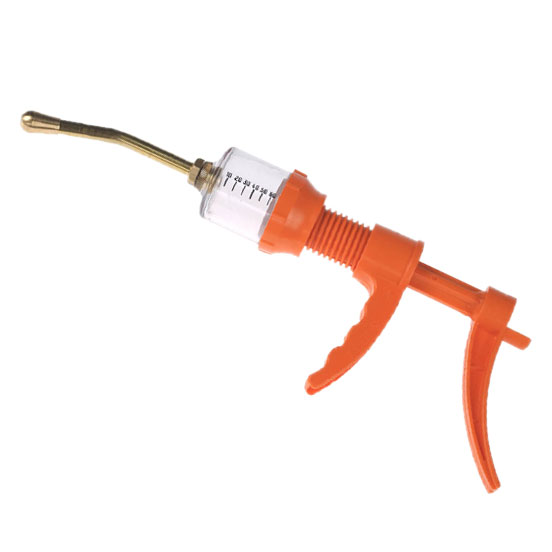
For decades, this has been the very best dosing gun for horses on the market. It's virtually indestructible and spill-proof.
Read more1 60 cc dose gun - $37.50
Buy Direct
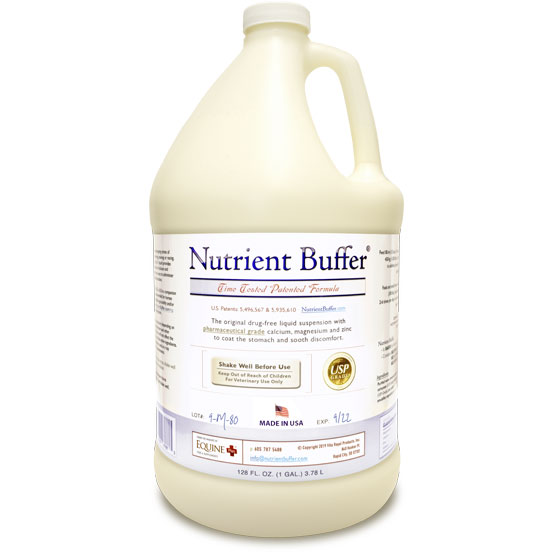
Neutralize stomach acid that can lead to ulcers with a unique ratio of minerals in a stabilized emulsion.
Read more1 (gallon) - $59.75 /gallon

Aids in healing hind gut ulcers and restoring hind gut health in horses - aids in neurological syndromes related to hind end weakness.
Read more10 lbs. - $200.25
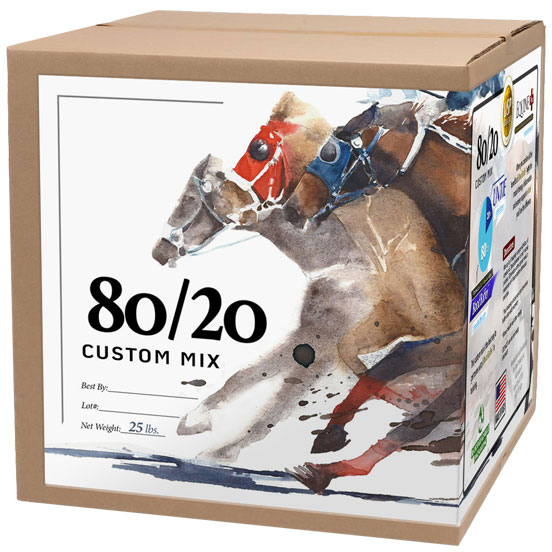
This 80/20 ratio of Blood Buffer™ and Untie® is formulated for race horses and barrel racing horses.
Read more3 lbs. (box) - $195.40

For soreness and inflammation of muscles, tendons & ligaments - can be used with all types of horses - for several different purposes.
Read more1 lb. - $51.25
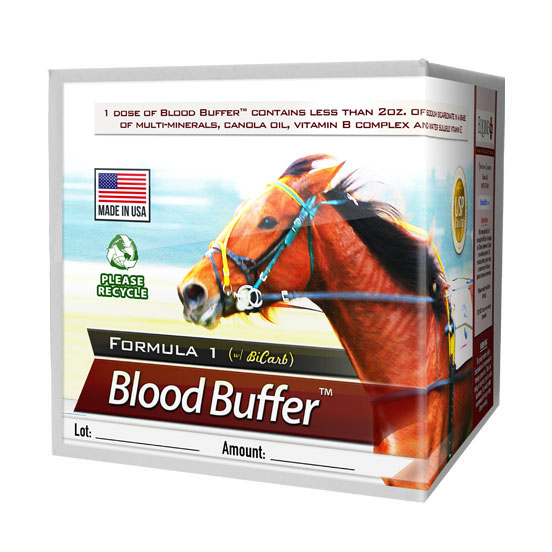
Increase performance, decrease fatigue and improve recovery times.
Read more3 lbs. (box) - $195.40
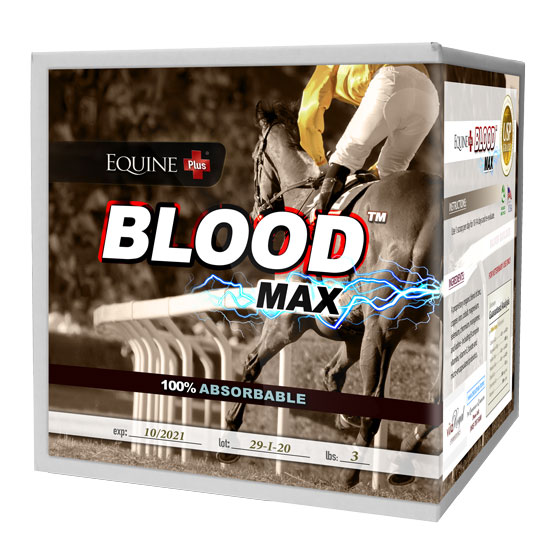
Everything modern science knows about building red blood cells in horses.
Read more3 lbs. - $135.00

Sometimes, horses need additional adrenal support to finish as strong as they should.
Read more1 lb. - $36.00
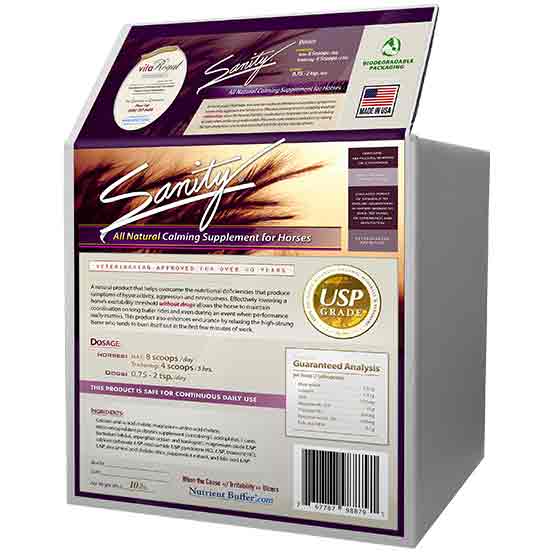
Natural calming and focus supplement. Great for trainers, performance horses in competition, and trailering.
Read more1 lb. - $27.75
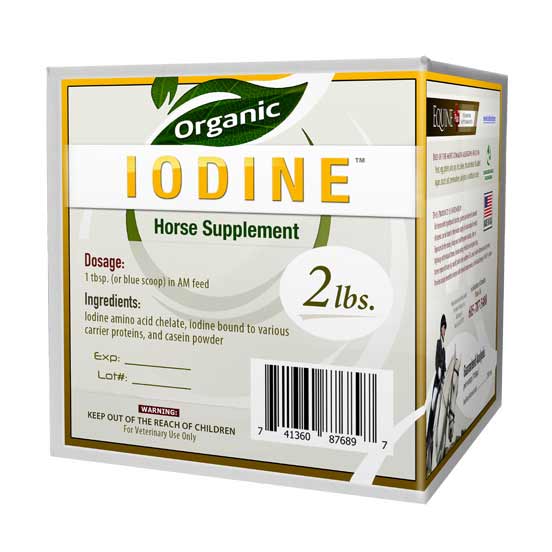
Our exclusive one-of-a-kind organically bound iodine amino acid supplement for horses with tumors, goiters or hypothyroid function.
Read more2 lbs. - $54.00
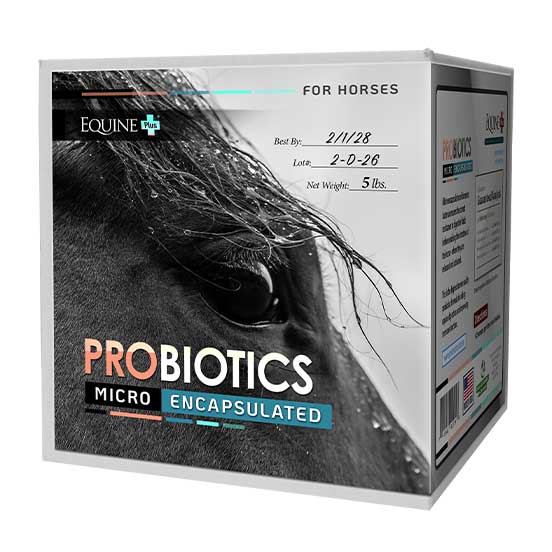
Micro-encapsulated probiotics are protected from digestive acids so they reach the intestinal tract in the best condition.
Read more1 lbs. - $34.25
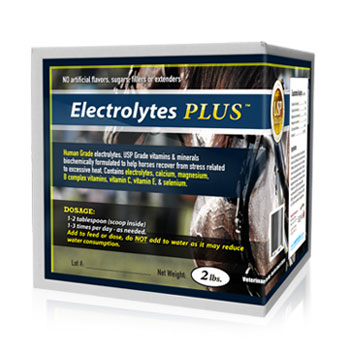
A superior pure electrolyte top dressing formula with no added sugar or flavorings.
Read more2 lb. - $33.00
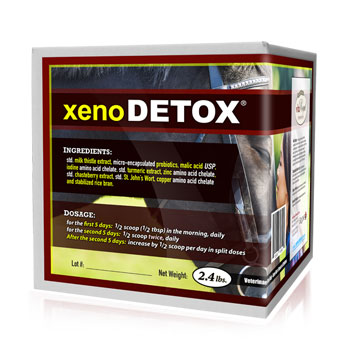
A herbal/mineral/probiotics combination that is known to aid in detoxification on many levels aiding restoration of normal biochemistry.
Read more2.4 lbs. - $64.75
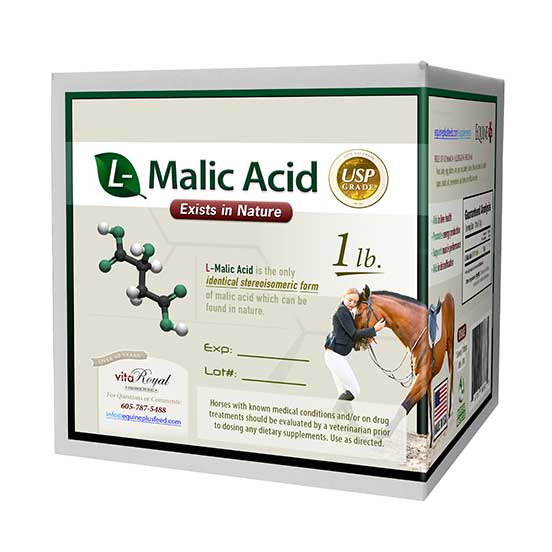
Our L-Malic Acid is the only natural stereoisomeric (non-synthetic) form of malic acid on Earth. It costs a little more than D-Malic Acid, but it works better.
Read more1 lb. - $25.95

The purest, most affordable form of this well known joint supplement for horses.
Read more1 lb. - $23.00